
Best Auto Insurance Companies in 2026: A Complete Comparison Guide
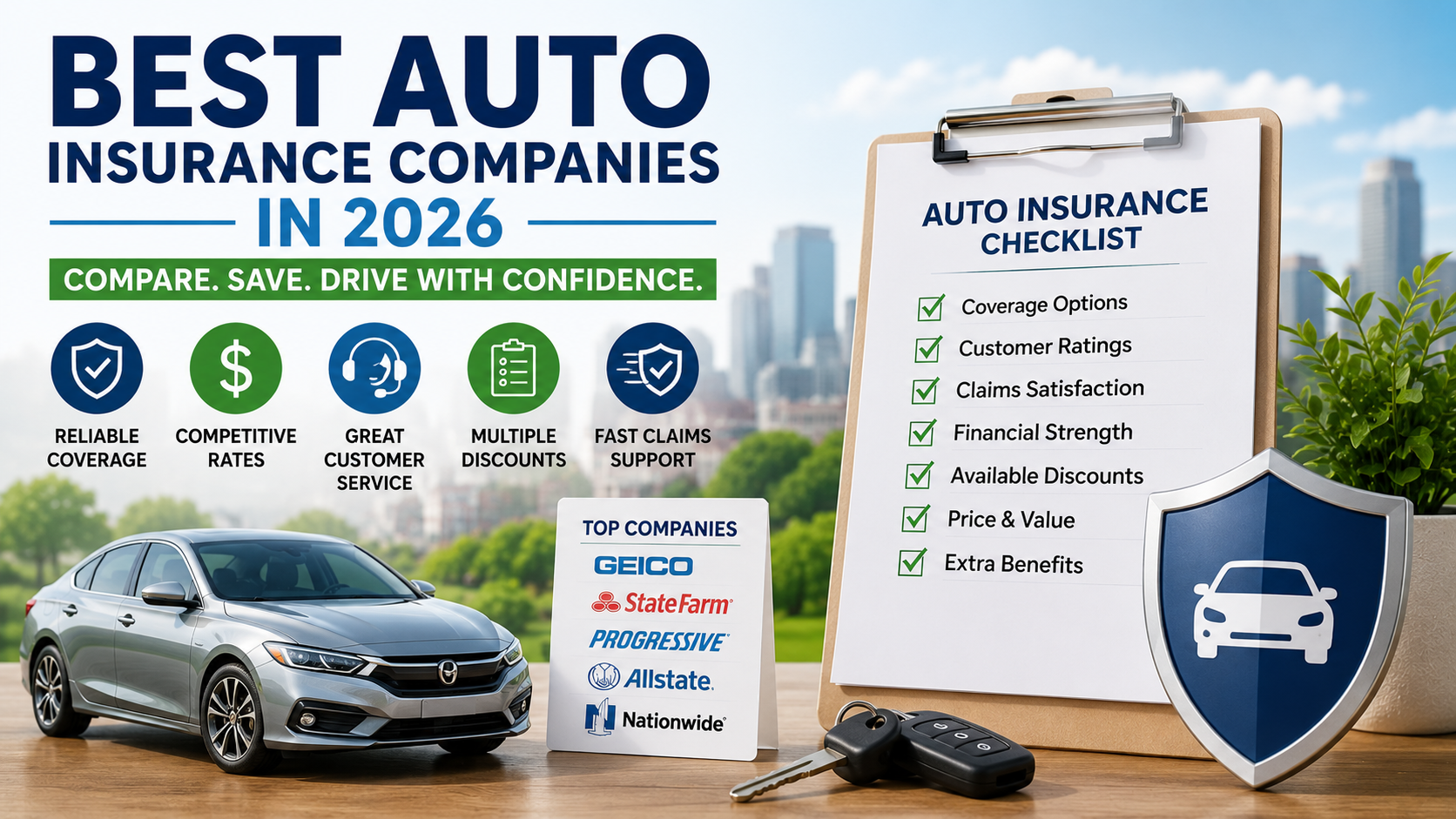
Best Auto Insurance Companies in 2026

Auto insurance remains one of the most important financial products for drivers. Whether you own a new vehicle, an older car, or manage multiple vehicles within a household, having appropriate coverage can help protect against unexpected financial losses resulting from accidents, theft, weather-related damage, and other covered events.

With dozens of insurance providers competing for customers, choosing the right company can feel overwhelming. Every insurer promotes competitive rates, valuable discounts, and excellent service, but the reality is that insurance experiences can vary significantly depending on location, driving history, vehicle type, and coverage needs.

The goal of this guide is not to declare a single company as the best choice for every driver. Instead, this article explains what makes an auto insurance company worth considering and how consumers can compare providers more effectively in 2026.

By understanding the factors that influence pricing, coverage quality, customer satisfaction, and claims handling, drivers can make more informed insurance decisions and potentially identify better value for their specific situation.

Why Choosing the Right Auto Insurance Company Matters

Many drivers focus primarily on finding the lowest premium. While affordability is important, price alone should not determine which insurer you choose.

An insurance policy is a long-term financial product. The real value of coverage often becomes apparent only when a claim occurs.

A provider with strong customer service, efficient claims processing, flexible coverage options, and financial stability may deliver significantly more value than a company that simply offers the lowest initial quote.

The best insurance companies often balance affordability with coverage quality and customer support.

What Makes an Auto Insurance Company Stand Out?

Several factors can help distinguish one insurance provider from another. Understanding these criteria can make comparisons much easier.

Financial Stability

Insurance companies must maintain sufficient financial resources to pay claims. Consumers often consider an insurer's financial strength when evaluating long-term reliability.

Coverage Options

Different insurers offer varying levels of customization. Some providers offer extensive optional coverages while others focus primarily on standard policies.

Common coverage options may include:

Claims Handling

A smooth claims process can significantly reduce stress after an accident or covered loss.

Many consumers consider claims satisfaction among the most important factors when selecting an insurer.

Customer Support

Strong customer support can help policyholders obtain answers quickly, manage policy changes, and resolve issues efficiently.

Modern insurers increasingly offer mobile applications, online account management, and digital claims reporting tools.

How Auto Insurance Premiums Are Calculated

One reason comparing quotes is so important is that insurers use different rating formulas.

Several factors may influence premiums, including:

Because each company weighs these factors differently, two insurers may produce significantly different quotes for the same driver.

This is one reason why our guide Why Comparing Insurance Quotes Matters Before You Buy remains one of the most important resources on BetterRateCenter.

Major Auto Insurance Providers Consumers Commonly Compare

While availability varies by state, consumers frequently compare several well-known national insurance providers when shopping for coverage.

Examples often include companies such as:

Rather than assuming one provider is universally superior, consumers should compare coverage, pricing, discounts, and customer experience within their own market.

The Importance of Coverage Limits

Many drivers focus exclusively on premiums while overlooking coverage limits.

Lower premiums sometimes result from selecting lower coverage amounts. While this may reduce monthly costs, it can also increase financial exposure after a serious accident.

Evaluating both price and protection is essential when comparing policies.

Best Auto Insurance Options for Different Types of Drivers

The ideal auto insurance company often depends on the driver's individual circumstances. A provider that offers excellent value for one customer may not necessarily be the best choice for another.

Understanding which features matter most for your situation can simplify the comparison process.

Young and New Drivers

Younger drivers often face higher insurance costs due to limited driving experience and increased statistical risk. Many insurers offer student discounts, good-driver programs, and telematics-based savings opportunities that may help reduce premiums.

Families with teen drivers should compare multiple providers carefully, as pricing differences can be substantial.

Experienced Drivers

Drivers with clean records and several years of experience often qualify for some of the most competitive rates available.

Even so, periodic quote comparisons remain important because pricing strategies change over time.

Senior Drivers

Many insurers offer programs specifically designed for mature drivers. These may include defensive driving discounts, loyalty benefits, and specialized customer support options.

Seniors should evaluate both pricing and service quality when reviewing policies.

High-Risk Drivers

Drivers with accidents, violations, or previous claims may have fewer affordable options available.

Some insurers specialize in serving higher-risk customers and may offer more competitive rates than mainstream providers in certain situations.

Common Auto Insurance Discounts

Discounts can significantly affect the total cost of coverage. While availability varies between providers, many insurers offer similar savings opportunities.

Drivers should ask insurers to review all available discount opportunities before finalizing a policy.

What Is Usage-Based Auto Insurance?

Usage-based insurance programs have become increasingly popular in recent years.

These programs typically use mobile applications or telematics devices to monitor driving behaviors such as mileage, braking patterns, acceleration, and driving times.

Drivers who demonstrate safe driving habits may qualify for additional savings through these programs.

However, participation requirements and potential benefits vary by insurer.

Bundling Auto Insurance with Other Policies

Bundling refers to purchasing multiple insurance products from the same company.

Common examples include combining auto insurance with homeowners insurance, renters insurance, or other personal coverage products.

Many insurers provide discounts for bundled policies, making this one of the most effective ways to reduce overall insurance expenses.

Homeowners may also benefit from reviewing our guide: Understanding Home Warranty vs Home Insurance to better understand different forms of household protection.

How to Compare Auto Insurance Quotes Properly

Comparing insurance quotes involves more than reviewing monthly premiums.

To perform an accurate comparison, consumers should ensure that each quote includes similar coverage levels, deductibles, and optional protections.

Otherwise, a lower premium may simply reflect reduced coverage rather than a genuinely better value.

Important comparison points include:

When Should You Shop for New Auto Insurance?

Many drivers keep the same insurance company for years without reviewing alternatives.

While loyalty can sometimes produce benefits, it does not always guarantee the most competitive pricing.

Consumers often consider comparing quotes after:

Reviewing options periodically can help ensure that coverage and pricing remain aligned with current needs.

Technology and the Future of Auto Insurance

The insurance industry continues to evolve through technology.

Mobile claims reporting, AI-assisted customer service, telematics programs, and digital policy management tools are becoming increasingly common.

Consumers who value convenience may wish to evaluate the digital capabilities offered by competing providers.

Online account access and mobile apps can make policy management significantly easier for many drivers.

Common Auto Insurance Mistakes Drivers Make

Auto insurance is something many consumers purchase and then rarely revisit. Unfortunately, this can sometimes result in coverage gaps, unnecessary expenses, or missed opportunities to improve protection.

Understanding common mistakes can help drivers make better long-term insurance decisions.

Choosing Coverage Based Only on Price

One of the most common mistakes is selecting a policy solely because it offers the lowest premium.

While affordability matters, lower pricing may sometimes reflect reduced coverage limits, higher deductibles, or fewer optional protections.

Failing to Compare Quotes Regularly

Insurance pricing changes frequently. Drivers who never compare alternatives may miss opportunities to find better rates or stronger coverage options.

Reviewing multiple providers every few years can help ensure continued value.

Ignoring Available Discounts

Many policyholders qualify for discounts they never request.

Safe driving programs, bundling opportunities, paperless billing, and automatic payments may all contribute to lower premiums.

Selecting Deductibles Without a Plan

Higher deductibles often reduce premiums but increase out-of-pocket expenses after a claim.

Drivers should choose deductible levels that align with their financial situation and emergency savings.

How Much Auto Insurance Coverage Do You Really Need?

Coverage needs vary significantly from one driver to another.

Factors that may influence coverage decisions include vehicle value, financial resources, driving habits, local requirements, and personal risk tolerance.

While minimum legal requirements may satisfy state regulations, some drivers choose higher limits to provide additional financial protection.

Reviewing coverage levels periodically can help ensure policies continue to match changing circumstances.

Should You Stay With the Same Insurance Company?

There is no universal answer to this question.

Some insurers reward long-term customers with loyalty benefits, while others may become less competitive over time.

The best approach is usually to evaluate both your current provider and competing options before making a decision.

If your existing insurer continues to offer competitive pricing, strong service, and appropriate coverage, staying may make sense. If not, exploring alternatives could be worthwhile.

Auto Insurance and Household Financial Planning

Auto insurance should be viewed as part of a broader financial strategy rather than an isolated expense.

Consumers who regularly review insurance policies often discover opportunities to improve overall household efficiency and reduce unnecessary spending.

If you are working to optimize your budget, you may also find value in our guide: Smart Ways to Lower Household Expenses in 2026 .

Combining multiple cost-saving strategies can often have a greater impact than focusing on a single expense category.

What to Look for Beyond Price

The strongest auto insurance providers often offer a combination of:

Evaluating these factors together provides a more complete picture than focusing on premiums alone.

Related Guides

Final Thoughts

Finding the best auto insurance company in 2026 requires more than searching for the lowest premium. The right provider should offer a balance of affordability, dependable service, strong claims support, and coverage options that align with your specific needs.

Because insurers evaluate risk differently, drivers should compare multiple quotes before making a final decision. Taking the time to review coverage details, available discounts, and customer support resources can help ensure better long-term value.

Auto insurance is one of the most important financial protections most drivers will ever purchase. Making an informed choice today can provide valuable peace of mind for years to come.