
Smart Ways to Lower Household Expenses in 2026

Smart Ways to Lower Household Expenses in 2026
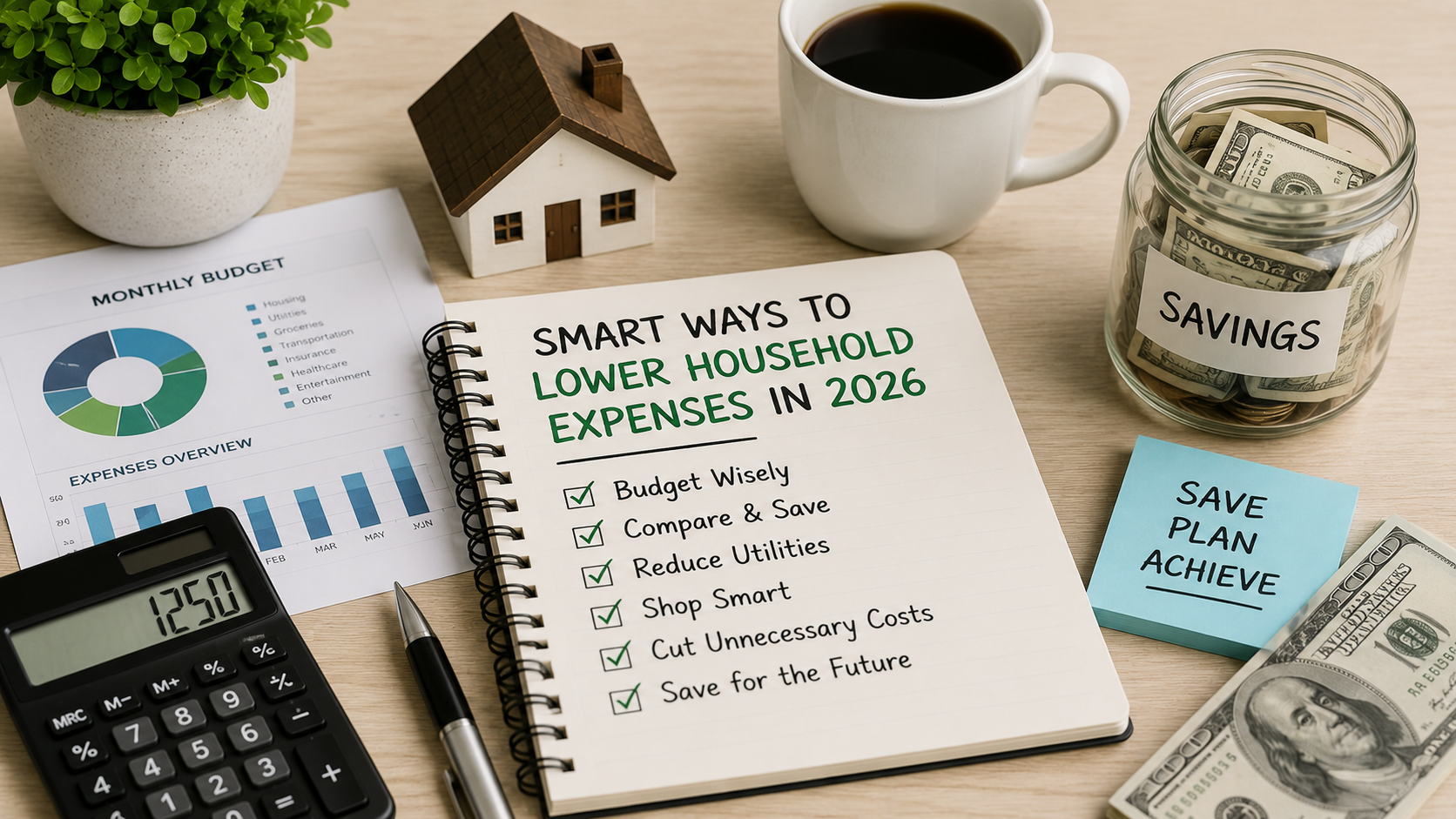
Managing household expenses has become increasingly important for families and individuals looking to improve financial stability. While prices continue to change across many industries, there are still numerous opportunities to reduce everyday costs without significantly affecting quality of life.

Many consumers assume that saving money requires major lifestyle changes. In reality, some of the most effective strategies involve small adjustments that accumulate into substantial long-term savings. Reviewing monthly expenses, improving efficiency, and making more informed purchasing decisions can help households keep more money available for future goals.

Whether your objective is building an emergency fund, reducing debt, preparing for retirement, or simply creating additional financial flexibility, lowering household expenses can play an important role in achieving those goals.

In this guide, we will explore practical ways to reduce common household costs, identify areas where consumers often overspend, and discuss strategies that can help improve overall financial health throughout 2026 and beyond.

Why Household Expense Management Matters

Household budgets are influenced by numerous recurring expenses. Mortgage or rent payments, insurance premiums, utility bills, groceries, transportation costs, subscriptions, and healthcare expenses can consume a significant portion of monthly income.

When expenses rise faster than income, many households experience financial stress. Even small increases across multiple categories can create budget challenges over time.

Managing expenses proactively helps reduce financial pressure and provides greater control over long-term financial outcomes. The money saved each month can be redirected toward debt reduction, investments, emergency savings, home improvements, or other important priorities.

Effective budgeting is not necessarily about spending less on everything. Instead, it involves spending intentionally and ensuring that each dollar provides meaningful value.

Start by Understanding Where Your Money Goes

Before attempting to reduce expenses, it is important to understand current spending habits. Many consumers underestimate how much they spend in certain categories because small purchases often go unnoticed.

Reviewing bank statements, credit card transactions, and recurring payments can reveal opportunities for improvement. Categorizing expenses helps identify areas where spending may be higher than expected.

Common household expense categories include:

Once spending patterns become clear, homeowners and renters can begin identifying practical opportunities to lower costs.

Reduce Insurance Expenses Through Comparison Shopping

Insurance is one of the largest recurring household expenses for many families. Auto insurance, home insurance, renters insurance, life insurance, and supplemental coverage products can collectively represent a significant monthly cost.

One of the most effective ways to lower insurance expenses is by comparing multiple providers before renewing coverage. Rates can vary considerably depending on risk assessments, discounts, and underwriting guidelines.

Consumers who compare options regularly often discover opportunities to reduce premiums while maintaining similar levels of protection.

If you have not already reviewed our guide on Why Comparing Insurance Quotes Matters Before You Buy , it provides additional information on how quote comparisons can potentially help reduce costs.

Lower Utility Bills Through Efficiency Improvements

Utility expenses often increase gradually, making them easy to overlook. Electricity, water, natural gas, and heating costs can represent a substantial portion of household spending.

Improving efficiency can reduce monthly utility bills without requiring major sacrifices. Small improvements often generate measurable savings over time.

Examples include:

While individual savings may appear modest initially, efficiency improvements can continue producing benefits year after year.

Review Subscription Services Regularly

Subscription-based services have become a common household expense category. Streaming platforms, software subscriptions, cloud storage services, fitness memberships, meal delivery plans, and premium mobile applications can quietly increase monthly spending.

Many households pay for services they rarely use simply because the charges are automated.

Conducting a subscription audit every few months can help identify services that no longer provide sufficient value. Eliminating unnecessary subscriptions can create immediate monthly savings with minimal impact on daily life.

Reduce Grocery Costs Without Sacrificing Quality

Grocery expenses are one of the most flexible areas within a household budget. Unlike fixed costs such as rent or mortgage payments, food spending can often be optimized through planning and smarter purchasing habits.

One effective strategy is creating a weekly meal plan before shopping. Planning meals helps reduce impulse purchases and minimizes food waste. Shopping with a list can also improve spending discipline and prevent unnecessary purchases.

Purchasing store brands, comparing unit prices, taking advantage of sales, and buying frequently used items in bulk can often provide additional savings.

Households should also pay attention to food waste. Throwing away unused groceries effectively increases the cost of every meal consumed. Better storage practices and meal planning can help maximize value from grocery purchases.

Lower Transportation Expenses

Transportation costs can significantly impact monthly budgets. Fuel expenses, vehicle maintenance, insurance premiums, registration fees, and financing costs all contribute to overall transportation spending.

Consumers can often reduce transportation expenses by combining errands into fewer trips, maintaining proper tire pressure, following manufacturer maintenance schedules, and avoiding aggressive driving habits that reduce fuel efficiency.

For households with multiple vehicles, periodically reviewing vehicle usage patterns may reveal opportunities to reduce costs further.

Auto insurance comparisons can also contribute to savings. Reviewing coverage options and comparing providers regularly may help identify competitive pricing opportunities.

Evaluate Internet and Mobile Phone Plans

Internet and mobile services are essential for many households, but these services can become unnecessarily expensive over time.

Service providers frequently introduce new promotions and package options that existing customers may not automatically receive. Contacting providers periodically to discuss available discounts can sometimes reduce monthly bills.

Consumers should also evaluate whether their current plans match their actual usage. Paying for features or data allowances that are rarely used may increase expenses without providing meaningful value.

Comparing providers can help identify alternative options that better align with household needs and budgets.

Control Dining and Takeout Spending

Dining out and food delivery services can quickly become one of the most expensive household spending categories.

While occasional restaurant visits can be enjoyable, frequent dining out often costs substantially more than preparing meals at home.

Households looking to reduce expenses may benefit from setting a monthly dining budget and tracking spending carefully.

Preparing meals in advance, bringing lunches to work, and limiting food delivery orders can significantly reduce annual food-related expenses.

Improve Home Maintenance Planning

Preventive maintenance is often less expensive than emergency repairs. Small issues that are ignored can eventually become costly problems requiring significant repairs.

Regular inspections and routine maintenance can help extend the life of major household systems and appliances.

Examples include:

Proactive maintenance may reduce repair costs while improving energy efficiency and comfort.

Reduce Energy Consumption Throughout the Year

Seasonal changes can dramatically affect utility costs. Heating and cooling systems are often among the largest contributors to household energy consumption.

Adjusting thermostat settings slightly, utilizing ceiling fans, improving insulation, and performing routine HVAC maintenance can help reduce energy usage.

Households considering long-term energy improvements may also explore solar-related solutions where appropriate.

Even modest reductions in monthly energy costs can accumulate into substantial savings over multiple years.

Build an Emergency Fund to Avoid Expensive Debt

One overlooked household expense strategy involves preparing for unexpected financial challenges before they occur.

Emergency savings can help households avoid relying on high-interest debt during periods of financial stress. Unexpected expenses such as vehicle repairs, medical bills, appliance failures, or temporary income disruptions can create financial difficulties when adequate savings are unavailable.

Building an emergency fund gradually can improve financial resilience and reduce long-term borrowing costs.

Many financial experts recommend establishing a dedicated emergency fund that covers several months of essential living expenses.

Pay Down High-Interest Debt Strategically

Interest charges can quietly consume a large portion of household budgets. Credit cards and other high-interest obligations may significantly increase overall expenses if balances are carried month after month.

Prioritizing higher-interest debt can reduce future interest costs and improve long-term financial flexibility.

Common approaches include:

Lower debt balances often lead to improved cash flow and greater financial stability.

Avoid Lifestyle Inflation

As income increases, many households gradually increase spending as well. This phenomenon is commonly known as lifestyle inflation.

While enjoying financial progress is important, automatically increasing spending after every raise or bonus can make it difficult to achieve long-term financial goals.

Directing a portion of income increases toward savings, investments, or debt reduction can create stronger financial outcomes over time.

Maintaining a balanced approach helps households enjoy current income while still preparing for future needs.

Take Advantage of Seasonal Savings Opportunities

Many household purchases follow predictable pricing cycles throughout the year. Understanding when products typically go on sale can help consumers reduce expenses without sacrificing quality.

Appliances, electronics, home improvement materials, furniture, and seasonal items are often discounted during specific periods. Planning major purchases in advance may provide opportunities to secure better pricing.

Rather than making large purchases impulsively, consumers can create a list of future needs and monitor pricing throughout the year.

Create a Household Budget That Actually Works

Budgeting remains one of the most effective tools for controlling household expenses. However, many budgets fail because they are overly restrictive or unrealistic.

A practical household budget should account for both essential expenses and discretionary spending. The goal is not perfection but consistency.

Effective budgets typically include:

Tracking progress monthly allows households to identify areas requiring adjustment while maintaining focus on long-term financial objectives.

Use Technology to Monitor Spending

Financial technology tools have made expense management easier than ever. Budgeting applications, banking dashboards, spending alerts, and automated savings tools can provide valuable insights into household finances.

Monitoring spending in real time helps consumers identify unusual activity, recognize spending patterns, and maintain accountability.

Many households discover unnecessary recurring expenses simply by reviewing spending reports generated through budgeting tools.

Focus on Long-Term Financial Efficiency

The most successful cost-saving strategies often focus on long-term efficiency rather than short-term sacrifice.

Investments in energy efficiency, preventive maintenance, debt reduction, insurance optimization, and financial education can continue generating value for years.

Small improvements made consistently often outperform dramatic short-term changes that are difficult to maintain.

Households that regularly review expenses and adjust spending habits tend to build stronger financial foundations over time.

Develop Financial Goals That Support Better Decisions

Expense reduction becomes much easier when households have clear financial goals.

Saving for a home purchase, retirement, education expenses, emergency reserves, or debt elimination provides motivation to make more intentional financial decisions.

Specific goals create a framework for evaluating spending choices and prioritizing resources effectively.

Every dollar saved through improved household efficiency can be redirected toward achieving meaningful financial milestones.

Frequently Asked Questions

What is the fastest way to reduce household expenses?

Reviewing recurring expenses such as insurance, subscriptions, internet services, and dining habits often produces some of the quickest savings opportunities.

How much should households save each month?

Savings goals vary based on income, expenses, and financial objectives. Consistency is generally more important than a specific percentage when building long-term financial security.

Can comparing insurance quotes really save money?

Insurance providers use different rating methods and pricing structures. Comparing quotes may help consumers identify competitive options that better fit their needs and budgets.

What household expenses are most commonly overlooked?

Subscription services, dining expenses, utility inefficiencies, unused memberships, and small recurring charges are frequently overlooked.

Should I focus on saving or paying off debt first?

Many financial professionals recommend maintaining an emergency fund while also working toward reducing high-interest debt. The appropriate strategy depends on individual financial circumstances.

Related Guides

Final Thoughts

Lowering household expenses does not necessarily require major sacrifices. In many cases, the most effective savings opportunities come from reviewing existing spending habits, improving efficiency, and making informed purchasing decisions.

By focusing on insurance comparisons, utility efficiency, grocery planning, debt reduction, preventive maintenance, and responsible budgeting, households can improve financial stability while maintaining their quality of life.

The strategies discussed in this guide can help consumers identify practical opportunities to reduce costs and build stronger financial foundations throughout 2026 and beyond.

Remember that successful financial management is an ongoing process. Regular reviews, small improvements, and consistent decision-making often produce the most meaningful long-term results.