Consumer Resource Hub

Home Warranty Guides

Understand what home warranties may cover, where exclusions appear, and how service fees and claim limits affect real value.

← Back to all categories

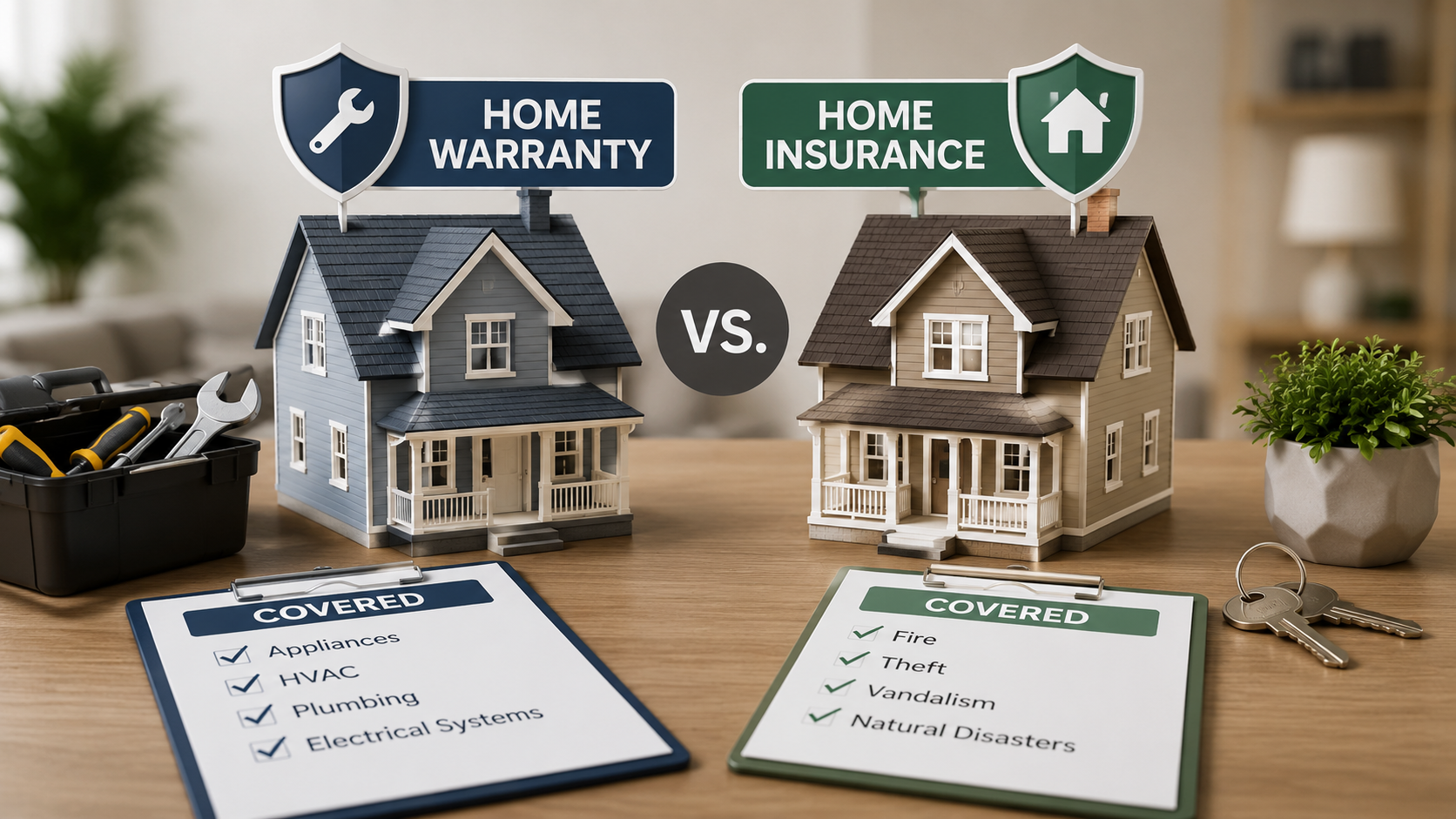
A home warranty is not the same thing as home insurance, and misunderstanding that difference is one reason many homeowners feel disappointed later. A home warranty is usually a service contract for certain systems or appliances, while homeowners insurance generally focuses on covered losses such as fire, theft, wind, or liability events. This resource page helps homeowners compare warranty plans with more realistic expectations.

The value of a home warranty depends on contract terms, covered items, service fees, claim caps, exclusions, contractor availability, maintenance rules, and the age or condition of systems and appliances. A plan may sound broad in an advertisement, but the sample contract is where the important details appear. BetterRateCenter’s home warranty guides explain how to read those details before buying.

Key Details to Understand

These points help readers compare options with more context instead of relying only on a headline price or short sales summary.

Covered items should match the home

Some plans focus on appliances, some focus on systems, and some combine both. Review whether the plan includes HVAC, plumbing, electrical, water heater, refrigerator, oven, dishwasher, washer, dryer, garage door opener, pool equipment, roof leak add-ons, or other items important to your home. Paying for broad coverage is less useful if the items you care about are excluded or limited.

Service fees change the economics of each claim

A home warranty may require a service fee every time a technician is sent. If the repair is minor, the fee may reduce or eliminate the benefit of using the plan. Compare monthly or annual cost plus service fees, not only the plan price. Also check whether additional fees apply if multiple trades are needed for one problem.

Claim limits can cap the payout

Contracts often set maximum amounts for certain repairs, replacements, systems, appliances, or total yearly claims. A plan that advertises coverage for a major system may still limit how much it will pay. Read the limits for expensive items such as HVAC, water heaters, plumbing, electrical panels, and built-in appliances before deciding whether the plan is worth the cost.

Exclusions can be more important than inclusions

Common exclusions may involve pre-existing conditions, improper installation, poor maintenance, code upgrades, rust, corrosion, cosmetic damage, inaccessible components, or commercial use. The exact language varies. A useful warranty review includes reading what is not covered, because exclusions usually explain the situations where a claim may be denied.

Contractor networks affect convenience

Some warranty companies assign contractors from their own network, while others may allow more flexibility under certain conditions. If service speed matters, ask how technicians are selected, what happens when no contractor is available, whether emergency service is offered, and how second opinions are handled. The repair experience depends on more than the contract wording.

A warranty is not a maintenance replacement

A home warranty does not remove the need for normal maintenance, cleaning, inspections, filter changes, or responsible use. Claims may be denied if an item failed because of neglect or improper maintenance. Keep basic maintenance records, especially for major systems, because they can support a claim if questions arise later.


Step-by-Step Comparison Process

Use this process before you request quotes, sign a contract, renew a policy, or choose a provider. It keeps the comparison organized and reduces the chance of overlooking a cost, limit, or rule that may matter later.

  1. List the systems and appliances that would be expensive or stressful to repair. Use that list as the coverage target when comparing plans.
  2. Read a sample contract before purchase. Marketing pages are helpful, but the contract explains limits, exclusions, and service rules.
  3. Compare annual cost plus service fees. A cheaper monthly plan may become expensive if each visit requires a high fee.
  4. Check claim limits for HVAC, plumbing, electrical, appliances, roof leak add-ons, and any item that matters most in your home.
  5. Ask how contractors are assigned and what happens if service is delayed, unavailable, or unsatisfactory.
  6. Keep maintenance records, receipts, inspection reports, and model numbers for covered appliances and systems.
Helpful habit: Save quotes, contracts, policy summaries, screenshots, and written answers in one folder. Clear records make future renewals, claims, and provider conversations much easier.

Common Mistakes to Avoid

Many consumer decisions become expensive because the comparison was rushed or based on incomplete information. These common mistakes are worth checking before you commit.

Expecting insurance-style protection

A home warranty is usually a service contract, not a policy for sudden property damage. It should be compared differently from homeowners insurance.

Not reading the exclusions

The exclusions may explain why a claim is denied. Read them before buying instead of waiting until something breaks.

Ignoring service fees

Frequent small claims can become less valuable when each visit has a fee. Calculate the total cost under realistic use.

Assuming old items are automatically covered

Age alone may not exclude an item, but pre-existing problems, poor maintenance, or improper installation can create issues. Contract language matters.

How to Read a Home Warranty Contract

A home warranty contract should be read before the plan is purchased, not after a repair is denied. Focus on the covered item list, exclusions, service fee, claim limits, contractor process, replacement rules, cancellation policy, and maintenance requirements. If the contract language is unclear, ask the company to explain the rule in writing so you can compare it with other plans.

The most valuable warranty comparison is based on the systems and appliances that matter in your home. An older HVAC system, built-in kitchen appliances, plumbing concerns, or a water heater near the end of its life may change which plan looks useful. A broad plan is not always better if the claim caps are low or the exclusions remove the repair you care about most.

Questions to answer before moving forward

  • Which systems and appliances are actually covered?
  • What is the service fee for each visit?
  • What are the claim caps for expensive items?
  • Who chooses the contractor?
  • Are pre-existing conditions or poor maintenance excluded?
  • Can the contract be cancelled or transferred?

Quick Review Checklist

Before making a final choice, walk through this checklist. It is designed to slow down the decision and make sure the most important details have been reviewed.

  • I understand the main costs, limits, exclusions, and responsibilities before agreeing.
  • I compared more than one option using similar assumptions and written details.
  • I reviewed documents instead of relying only on advertising or a short phone explanation.
  • I know what could change at renewal, during a claim, or after the contract begins.
  • I reviewed: covered items should match the home.
  • I reviewed: service fees change the economics of each claim.
  • I reviewed: claim limits can cap the payout.
  • I reviewed: exclusions can be more important than inclusions.

Frequently Asked Questions

Is a home warranty worth it?

It depends on the plan price, service fee, covered items, exclusions, claim limits, and the condition of your systems and appliances. It may provide convenience and budget predictability for some homeowners, but it is not a guarantee that every repair will be paid in full.

How is a home warranty different from home insurance?

Home insurance generally deals with covered property losses and liability. A home warranty usually focuses on service or repair of listed systems and appliances due to normal wear, subject to contract terms.

What should I read before buying?

Read the sample contract, coverage list, exclusions, service fee schedule, claim limits, cancellation rules, and contractor process. Do not rely only on short plan summaries.

Can I choose my own contractor?

Some companies require you to use their contractor network. Others may allow outside contractors only with prior approval. Confirm the rule in writing before assuming you can choose freely.

What records should I keep?

Keep maintenance receipts, inspection reports, appliance model numbers, purchase records, and claim communication. These records can help if the provider asks about maintenance or item condition.